
Emergency Heating Repair Same Day: A Guide

Table of Contents
Is Your Heating Problem Actually an Emergency?
Signs that require immediate attention
When you can wait for a regular appointment
Safe Steps to Take While Waiting for a Technician
Check for carbon monoxide hazards
Temporary measures to stay warm
Heater Not Working: Basic Troubleshooting Before You Call
Check your thermostat settings
Verify your furnace power and circuit breaker
Inspect air filters and vents
What to Tell an HVAC Technician When You Request Emergency Service
Describe the exact problem and when it started
Share your equipment type and age
Mention any unusual sounds or smells
Furnace Repair Response Time: What to Expect
Same-day availability and service windows
How service area affects response time
Emergency Heating Repair Cost: Understanding Pricing and Fees
What emergency service calls typically include
Extra charges you should know about
Getting a transparent estimate upfront
How to Schedule Emergency Heating Repair Same Day
Contact options and availability
Information you'll need ready
Frequently Asked Questions
Last Updated: October 12, 2026
Is Your Heating Problem Actually an Emergency?
Not every heating issue requires same-day service. Knowing which problems demand immediate attention saves you money. At Bamm's HVAC & Plumbing, we help homeowners distinguish urgent situations from those that can be scheduled during regular business hours.
A heating emergency is any situation where your home loses heat entirely, temperatures drop dangerously, or you suspect a safety hazard. These require emergency heating repair same day because prolonged cold can damage your home and endanger your family.
Signs that require immediate attention
Your system needs emergency attention if your home has no heat, indoor temperatures fall below 55 degrees Fahrenheit, you smell gas or burning near your furnace, or you hear banging, grinding, or rattling.
Frozen pipes also signal an emergency: they can burst and cause severe water damage. If you notice no water pressure or ice on exposed pipes, contact a professional immediately. If water pools around the furnace or radiators, shut the system down and call for same-day service.
When you can wait for a regular appointment
Minor issues like uneven heating between rooms, a thermostat needing recalibration, or slightly reduced heat output can usually wait 24-48 hours. If your system still produces some heat and your home stays above 60 degrees, schedule a routine appointment.
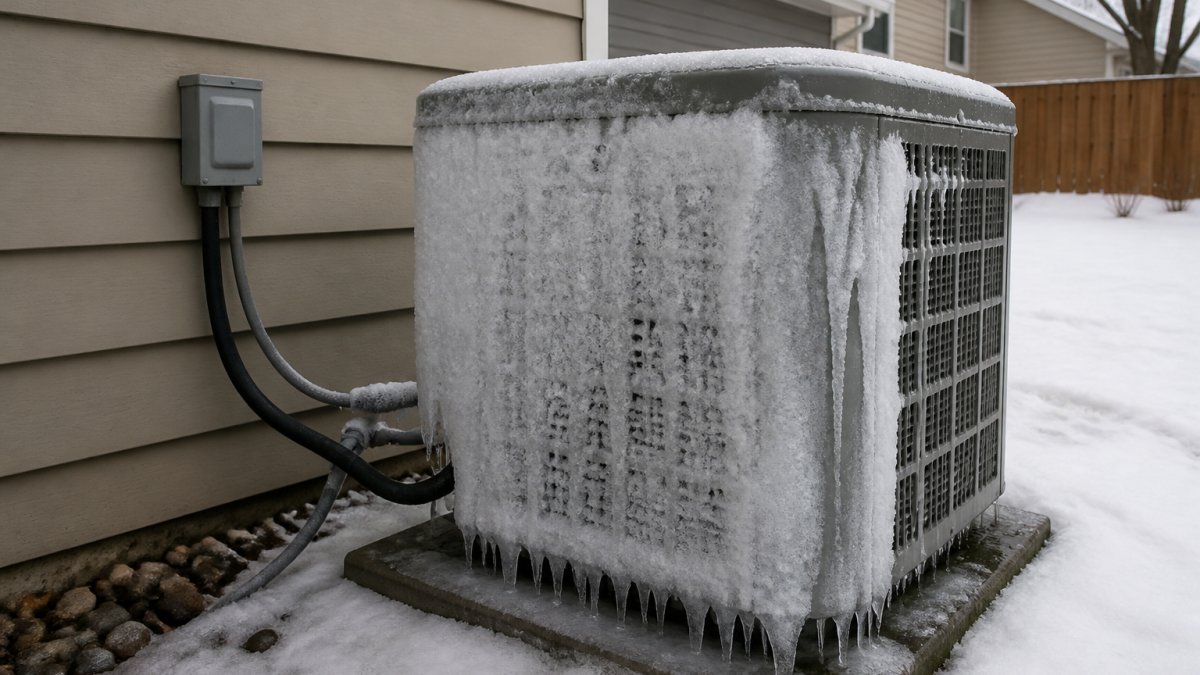
If you notice a small refrigerant leak (indicated by ice forming on refrigerant lines) but your system still operates, this can be addressed during business hours.
Watch Out Do NOT ignore safety signs. Gas smell, carbon monoxide alarms, or burning odors are never "wait and see" situations. Evacuate and call for emergency help immediately.
Safe Steps to Take While Waiting for a Technician
The time between discovering a heating problem and the technician's arrival is critical. The right precautions protect your family and prevent additional damage.

Check for carbon monoxide hazards
Carbon monoxide is a colorless, odorless gas produced by malfunctioning heating systems. If your CO detector goes off, open windows, leave the house, and call emergency services from outside. Do not re-enter until fire department personnel confirm it is safe.
If you don't have a carbon monoxide detector, install one on each level, especially near bedrooms. Battery-operated models work during power outages. Test detectors monthly.
Temporary measures to stay warm
While waiting for emergency heating repair same day service, layer clothing and blankets, gather your family in one room, and close off unused areas. Space heaters can supplement heat, but keep them at least 3 feet from flammable materials, never leave them unattended, and use only UL-certified models (Space Heater Safety: The 3-Foot Rule That Prevents Fires).
Never use your oven, gas stove, or fireplace as primary heat sources; they create carbon monoxide and fire hazards. If you use a fireplace, ensure the damper is open. Keep the area around your furnace clear of clutter and flammable materials.
Pro Tip Keep emergency blankets and extra clothing accessible during winter. If your heating fails at night, you'll be prepared without scrambling in the dark.
Heater Not Working: Basic Troubleshooting Before You Call
Before scheduling emergency heating repair same day, run through these basic checks. Many problems have simple solutions, and the results give your technician information that speeds up diagnosis.
Check your thermostat settings
Verify your thermostat is set to heat mode, not cool or off, and that the temperature setting is higher than your current room temperature. If it's battery-powered, replace the batteries and see if the system responds.
Some thermostats have a delay feature, so wait 5-10 minutes after setting the heat. If you have a programmable thermostat, confirm the schedule hasn't accidentally disabled heating during occupied hours.
Verify your furnace power and circuit breaker
Check that your furnace has power: look for a switch near the furnace and confirm it's ON. Then check your electrical panel for a tripped breaker labeled FURNACE or HVAC. If tripped, flip it fully OFF, then ON.
Confirm your furnace has fuel. Check the oil tank if you have an oil furnace, or the tank gauge on a propane system.
Inspect air filters and vents
A clogged air filter restricts airflow and can shut your system down as a safety measure. Locate the filter (usually 1-2 inches thick near the intake); if it's visibly dirty, replace it with one matching the original size and MERV rating. This is inexpensive and often restores function immediately.
Verify that supply and return vents aren't blocked by furniture, curtains, or closed doors. Blocked vents reduce airflow and keep heat from reaching occupied spaces. Open all vents and move obstacles away.
Key Takeaway If your furnace has power, your thermostat is set correctly, and your vents are clear, but you still have no heat, a technician needs to diagnose the problem. Do not delay calling for emergency heating repair same day.
What to Tell an HVAC Technician When You Request Emergency Service
Clear information when you call speeds up response time and helps the technician prepare. Have these details ready.
Describe the exact problem and when it started
Be specific: say "no heat is coming from any vents" rather than "my heating isn't working." Mention whether the system makes noise, cycles repeatedly, or is silent, and note when the problem started. A system that failed at midnight is more urgent than one that stopped yesterday afternoon.
If you've tried basic troubleshooting, tell the technician what you checked and what happened, so they don't repeat steps and can focus on the actual problem.
Share your equipment type and age
Describe your system type: furnace (gas, oil, or electric), heat pump, boiler, or radiant heating. Provide the age or brand if you know it; older systems may need parts that take longer to source. This helps the technician bring the right tools and parts.
Mention recent service and any recurring problems with the same component. This tells the technician whether it's a new failure or an ongoing issue.
Mention any unusual sounds or smells
Describe any noises: banging, grinding, squealing, or rattling all indicate different problems. A burning smell suggests electrical issues or overheating; a gas smell demands immediate evacuation and emergency services; a musty smell might mean mold in ductwork. These details help the technician prioritize and prepare.
Furnace Repair Response Time: What to Expect
Understanding response times and service area limits helps you manage expectations when you need emergency heating repair same day.
Same-day availability and service windows
Same-day availability depends on call volume, time of day, and location. Early-morning calls typically see faster response than late-evening ones, and weekend and holiday calls may wait longer than weekday business hours.
When you call, ask: "Can a technician reach my home today?" If not, ask for the next appointment and whether you can join a priority list for cancellations. Some companies offer emergency heating repair same day guarantees in winter; others prioritize by severity.
How service area affects response time
Technicians reach homes closer to their service hub faster. If you live at the edge of the service area, expect longer waits than someone in the center. Ask the technician's current location when you call: if they're working nearby, they may arrive quickly; if they're across town, the commute adds significant time.
Rural areas far from major roads typically see longer response times than urban neighborhoods. Severe weather, road conditions, and traffic also affect arrival time.
Best For Same-day emergency heating repair works best for homeowners in or near the service area during standard business hours. Evening and weekend calls may require longer waits or premium fees.
Emergency Heating Repair Cost: Understanding Pricing and Fees
Knowing what emergency service costs helps you budget. Emergency heating repair same day typically costs more than routine calls.
What emergency service calls typically include
An emergency call includes a diagnostic visit where the technician identifies the problem and provides a repair estimate. The call fee covers time and travel, and often applies toward the repair cost if you authorize work on the spot.
Repair cost depends on what's wrong. Simple fixes like a thermostat battery or clogged filter cost little; replacing a blower motor, ignition system, or heat exchanger costs significantly more. Emergency labor rates typically run higher than standard appointments.
Extra charges you should know about
Calls outside business hours (evenings, nights, weekends, holidays) usually incur premium fees. Some companies charge a flat emergency surcharge; others add a percentage to standard rates.
If parts aren't in stock, you may wait for delivery before repairs are completed, and rush delivery fees apply for expedited parts.
Travel charges apply if you're far from the technician's base. Some companies include travel in their service fee; others bill it separately. Ask whether travel is included in the quoted price.
Getting a transparent estimate upfront
Before authorizing work, ask for a written estimate breaking down labor, parts, and fees. Avoid companies that quote a single price without explaining what's included.
Ask whether the estimate is binding or if additional charges apply if the technician finds more problems. Reputable companies provide transparent pricing so you know costs before work begins.
How to Schedule Emergency Heating Repair Same Day
When your heating fails, requesting service quickly gets help on the way faster.
Contact options and availability
Call your HVAC company's emergency line directly. Save the after-hours number in your phone before you need it. Online booking may be available, but call for true emergencies so a human hears the urgency.
Provide your address, phone number, and a brief description of the problem. Ask for the earliest appointment and confirm the estimated arrival time. Confirm accepted payment methods so there are no surprises when the bill arrives.
Information you'll need ready
Prepare your address, phone number, and account number if you're an existing customer.
Clear a path to your furnace or heating equipment so the technician can access it quickly. Move vehicles from your driveway if possible to ensure the service truck can park nearby.
When your heating system fails in winter, emergency heating repair same day service restores comfort and safety to your home.
Frequently Asked Questions
What qualifies as an emergency heating repair?
An emergency heating repair is when your heating system stops working completely during cold weather, you smell gas or burning odors, hear loud noises from your furnace, or suspect a carbon monoxide leak. Complete loss of heat in freezing temperatures requires same-day service to prevent pipe damage and ensure family safety. If your home temperature drops below 55 degrees or you smell anything unusual, contact a technician immediately rather than waiting for a regular appointment.
Can emergency heating repair happen same day?
Yes, emergency heating repair same day is available through 24/7 HVAC services that maintain technician availability around the clock. Response times depend on your service area and current call volume, but most emergency calls are prioritized for same-day service. Call as early as possible to secure a same-day appointment, and provide your location and the nature of the problem so the dispatcher can assess urgency and schedule accordingly.
What should I tell an HVAC technician during an emergency call?
Tell your technician exactly when the heating problem started, what you've noticed (no heat, strange sounds, odors, or visible leaks), your furnace type and age if you know it, and whether anyone in your home has health concerns. Mention any recent changes like new construction, renovations, or weather events. Describe the problem clearly so the technician can bring the right parts and tools, reducing time on-site and getting your system running faster.
What should I do if my heater stops working in winter?
First, check your thermostat is set to heat mode and the temperature is set higher than the current room temperature. Verify your furnace power switch is on and check your circuit breaker for a tripped switch. If those steps don't restore heat, turn off the system to prevent damage, open windows slightly for ventilation in case of gas leaks, and call for emergency heating repair immediately. Do not attempt to fix the furnace yourself if you suspect a gas leak or electrical problem.
Contact Us


Comments